Dubai's real estate market has transformed from a regional player to a global investment destination. Its unique combination of tax advantages, strategic location, and quality of life attracts investors worldwide.
Market Fundamentals
Population Growth: Dubai's population has grown from 1 million (2000) to over 3.5 million (2024), with projections of 5.8 million by 2040.
Economic Diversification: Real estate, tourism, finance, and trade reduce oil dependency.
Foreign Ownership: 100% foreign ownership permitted in designated freehold areas since 2002.
Key Market Characteristics
Tax Advantages
- No property tax
- No capital gains tax
- No income tax on rentals
- No inheritance tax
Strong Rental Yields
- Average yields: 5-8%
- Prime areas: 4-6%
- Emerging areas: 7-10%
Currency Stability
- AED pegged to USD
- Reduces currency risk for dollar-based investors
Market Segments
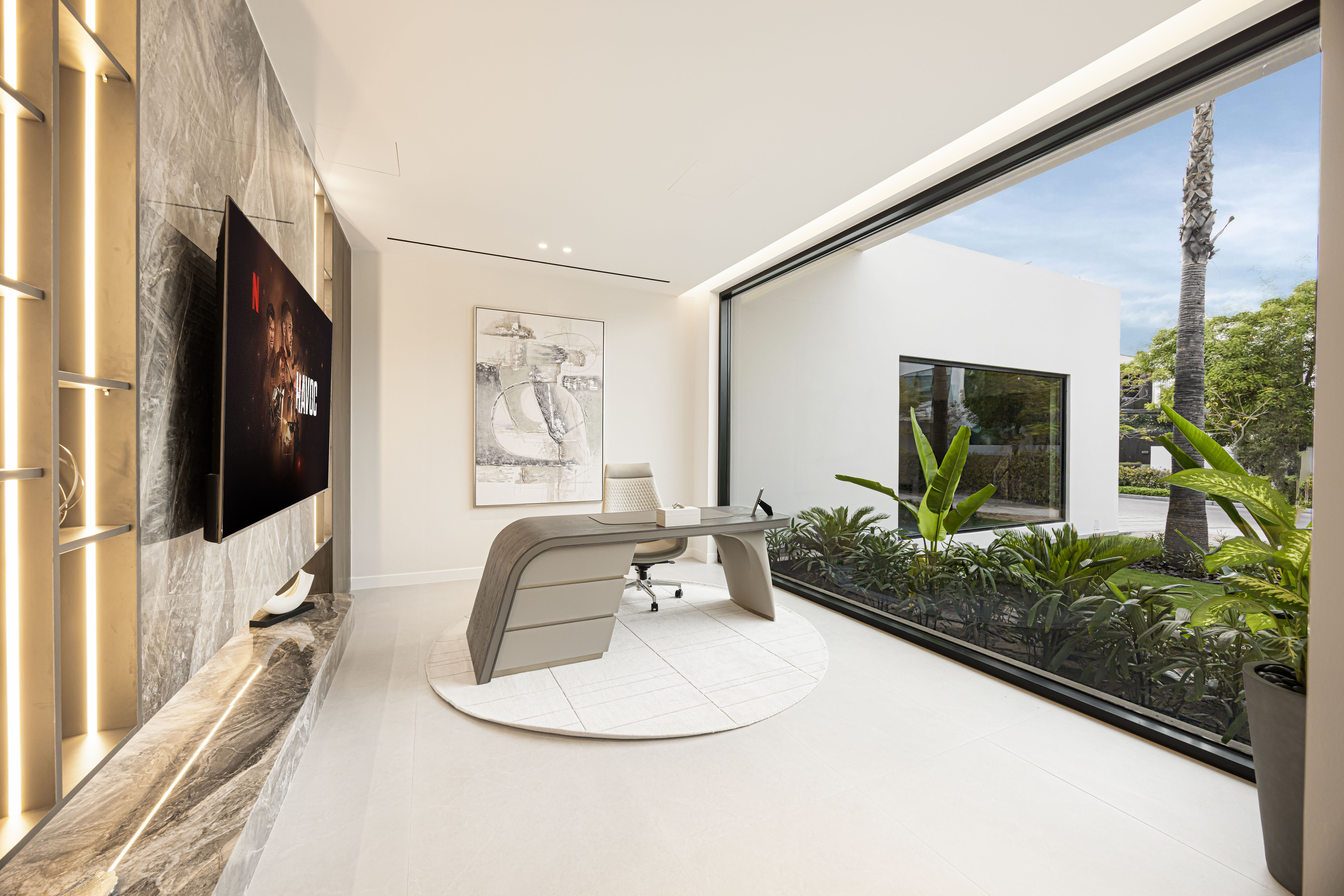
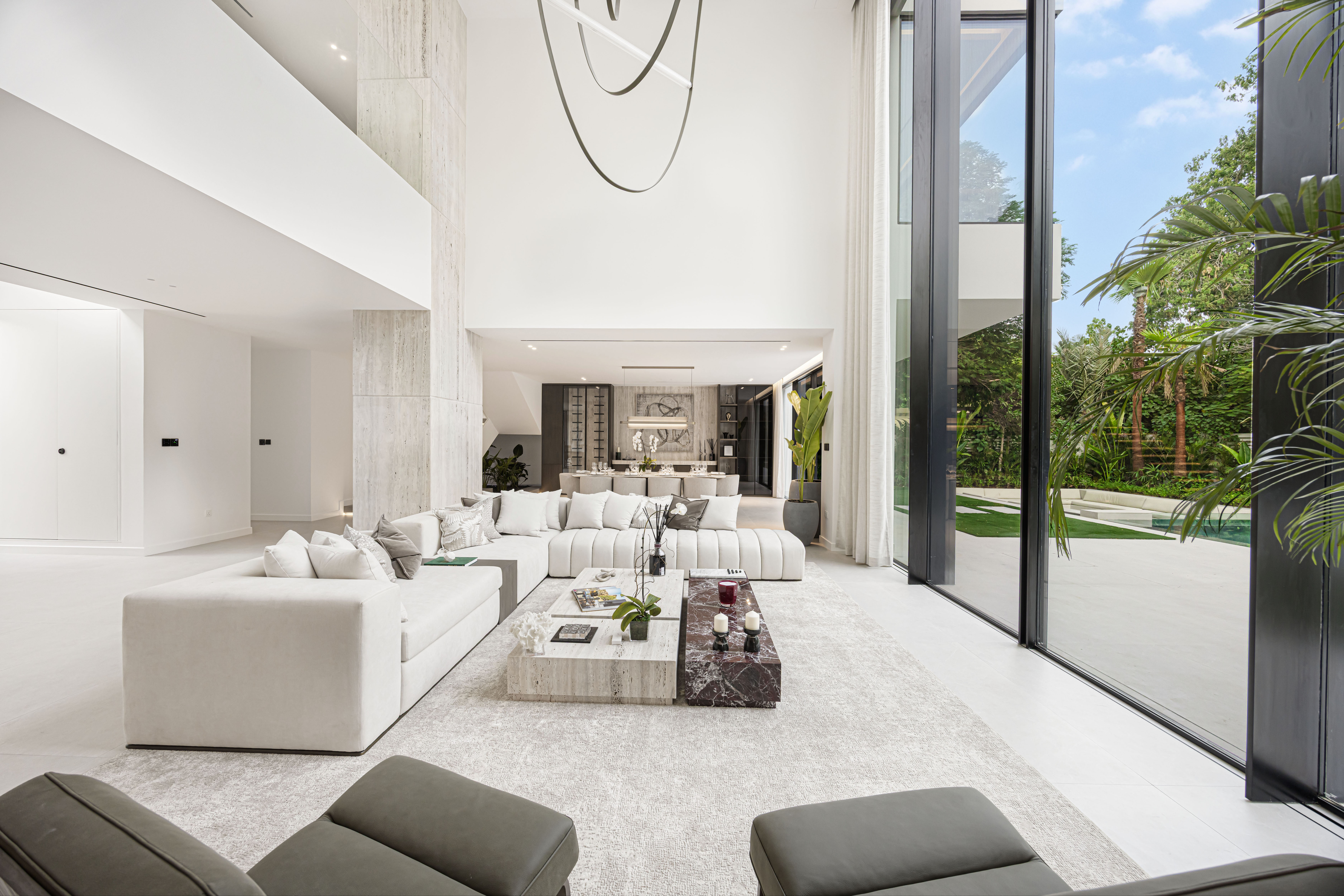
Luxury Villas: Palm Jumeirah, Emirates Hills, Al Barari Premium Apartments: Downtown, Marina, JBR Mid-Market: JVC, Sports City, Dubai South Affordable: International City, Discovery Gardens
Recent Market Trends
- Record transaction volumes in 2023-2024
- Strong price appreciation in prime segments
- Increased institutional investment
- Growing demand from European and Asian buyers
- Shift toward villa properties post-pandemic
Investment Considerations
Strengths:
- Tax-free environment
- Strong infrastructure
- Global connectivity
- Quality of life
- Transparent regulations
Considerations:
- Market cyclicality
- Supply dynamics
- Service charges
- Currency exposure (for non-USD investors)
Dubai's market offers compelling opportunities for informed investors who understand its unique characteristics.